Immersive Spatial Design
Published on
Reading Time
2 mins
Unifying the best of the physical and virtual world
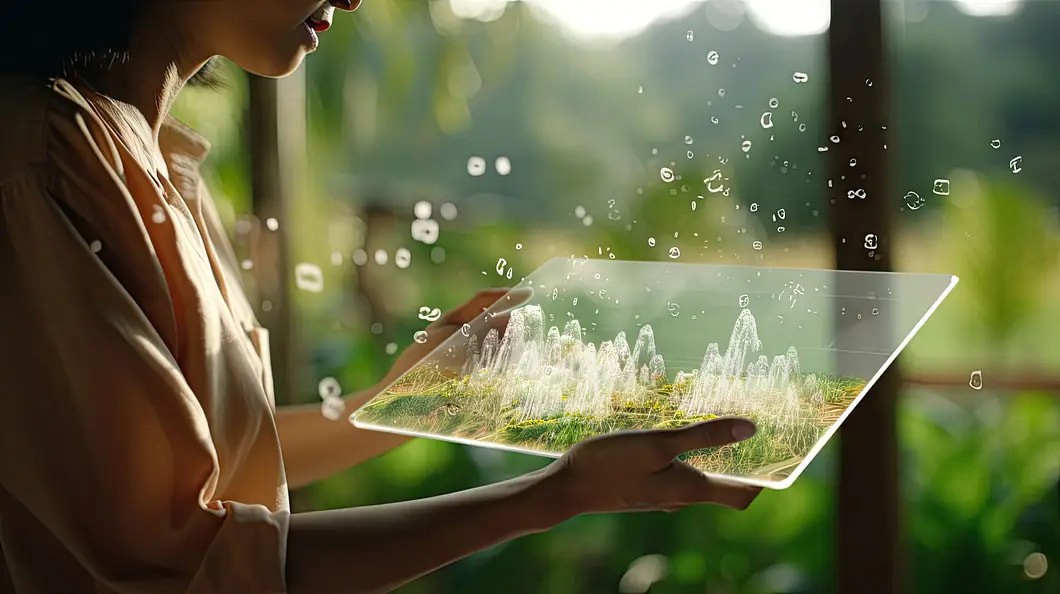
Occupants of physical spaces are looking for more immersive and sensory-filled experiences in real life (IRL). From flagship retail stores to workplaces to experiential pop-ups and across mixed realities, the ways we deliver layered engagement have dramatically evolved. Opportunities to maximize storytelling and stimulate the senses can now take new depths.
Evolving Display Technology
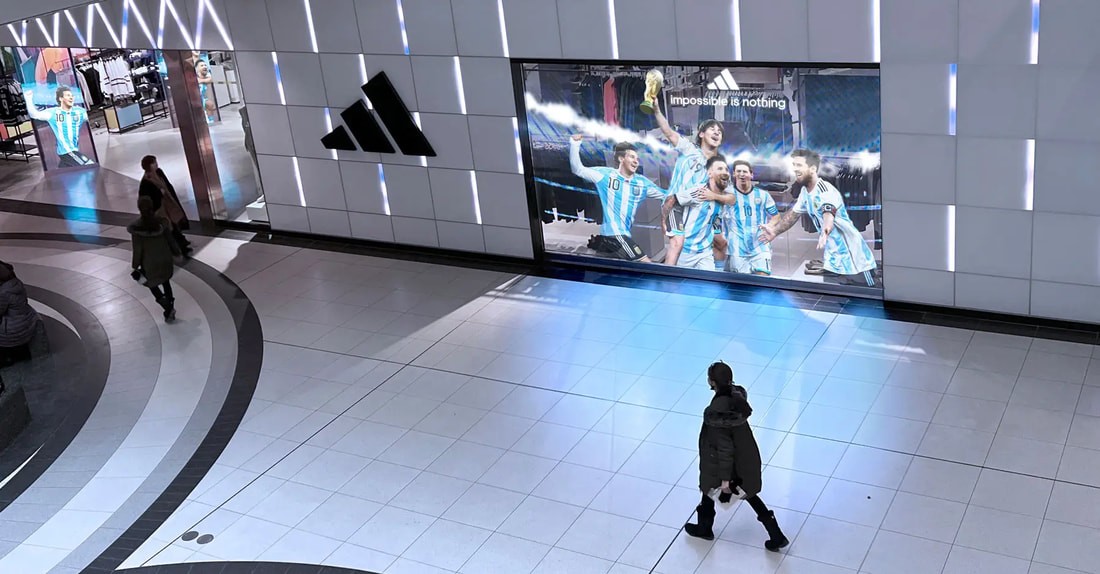
Display technology is evolving faster than ever before, providing larger canvases, hyper-realistic resolutions, and even transparency that augments physical environments across industry verticals. For example, as retail brands expand their reach into Web3 and virtual spaces, they are dialing up immersion at physical stores. Brands are going bigger and bolder with technology to create digital canvases that immerse customers, keeping them engaged longer in hopes of capturing more of their valuable time and spending power.
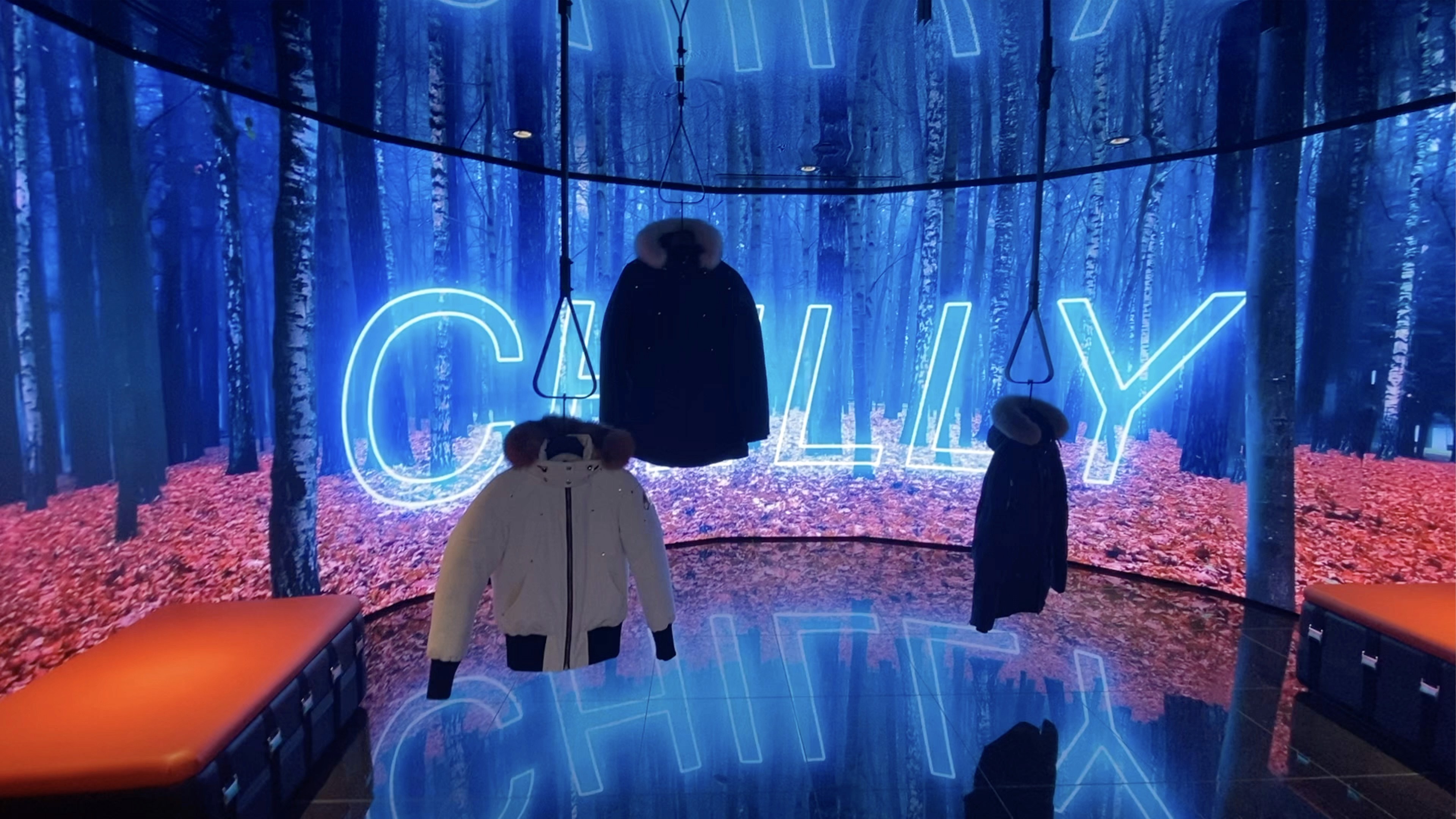
Experience-focused retail stores, some of which don’t stock much inventory open the door for customers to engage with their brand story, innovation, and products, allowing transactions at the customer’s choosing and preferred channel.
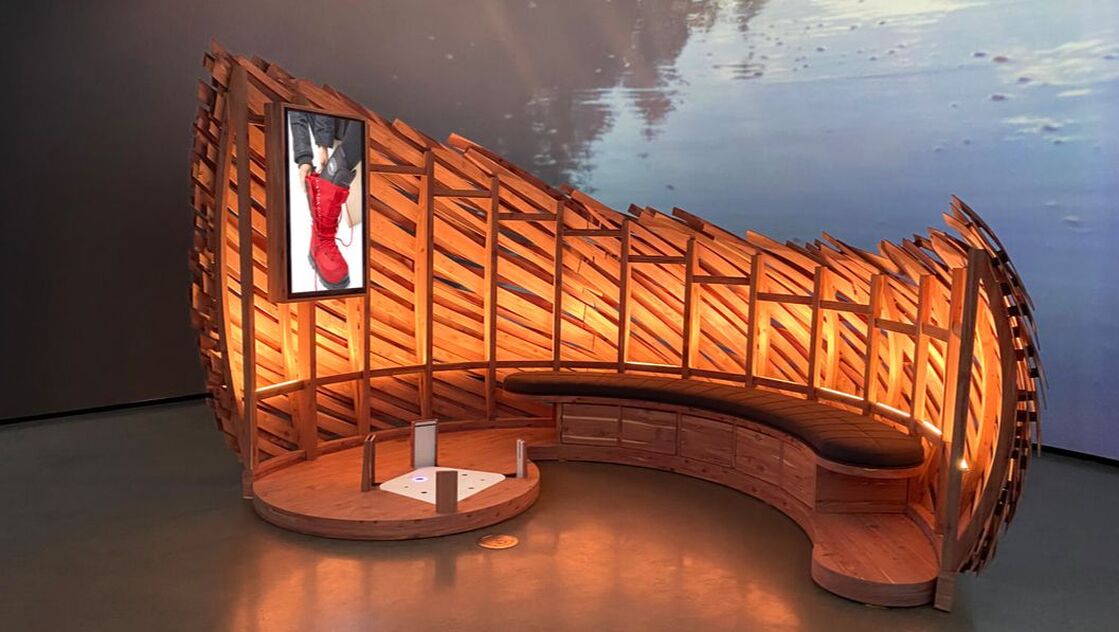
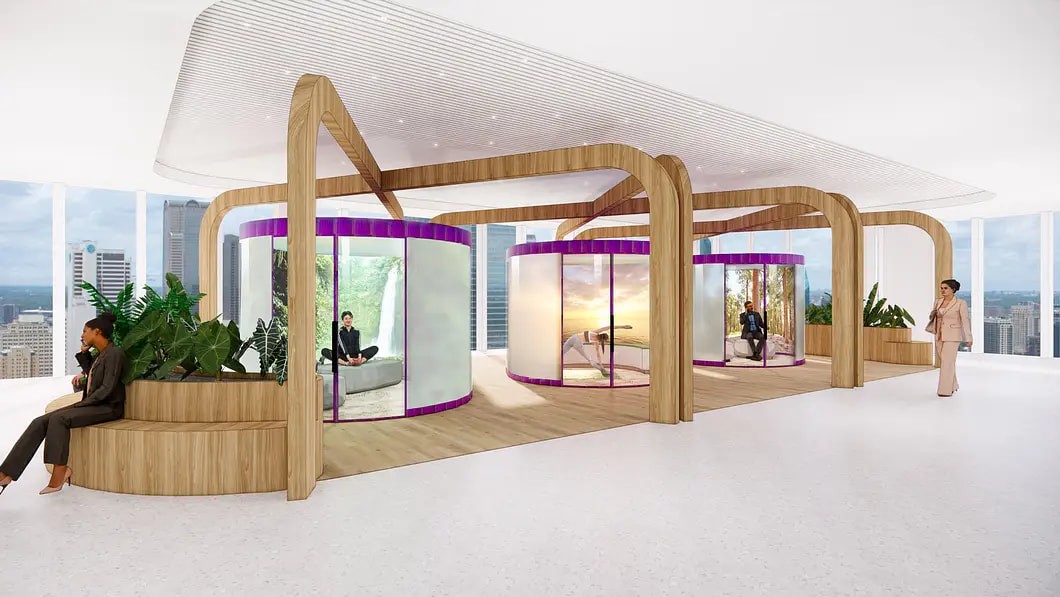
In the workplace, wellness pods to help staff escape and recharge surrounded by digital nature-themed canvases are becoming more frequent. And experience centers featuring immersive digital and interactive collaborative experiences are on the rise.
Augmenting Architectural Design
Advancements in display technology have become transformative in architecture and branded environment design. One major leap making waves in both the tech and design industries is transparent display technology. With many formats now established like OLED, Micro LED, film, mesh, and glass, these displays are revolutionizing not only digital signage but also reshaping interior spaces.
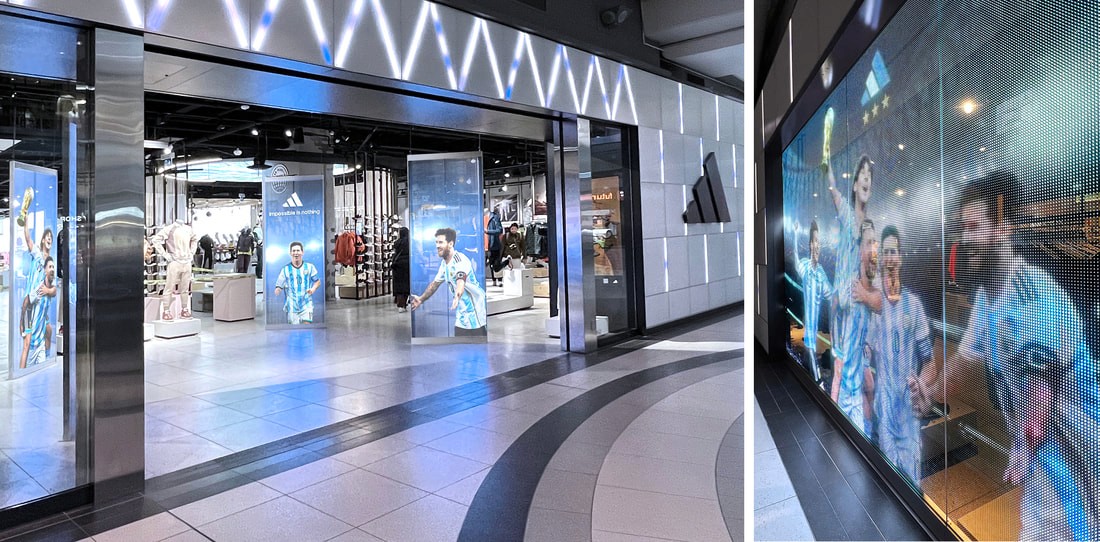
The ability to overlay digital content and augment physical environments that can be shared with others IRL represents a significant leap similar to that of XR and spatial computing. Designers can integrate these displays seamlessly into architectural elements such as windows, partitions, and even unique sculptural installations. With all these advancements, innovative approaches to designing immersive experiences are required.
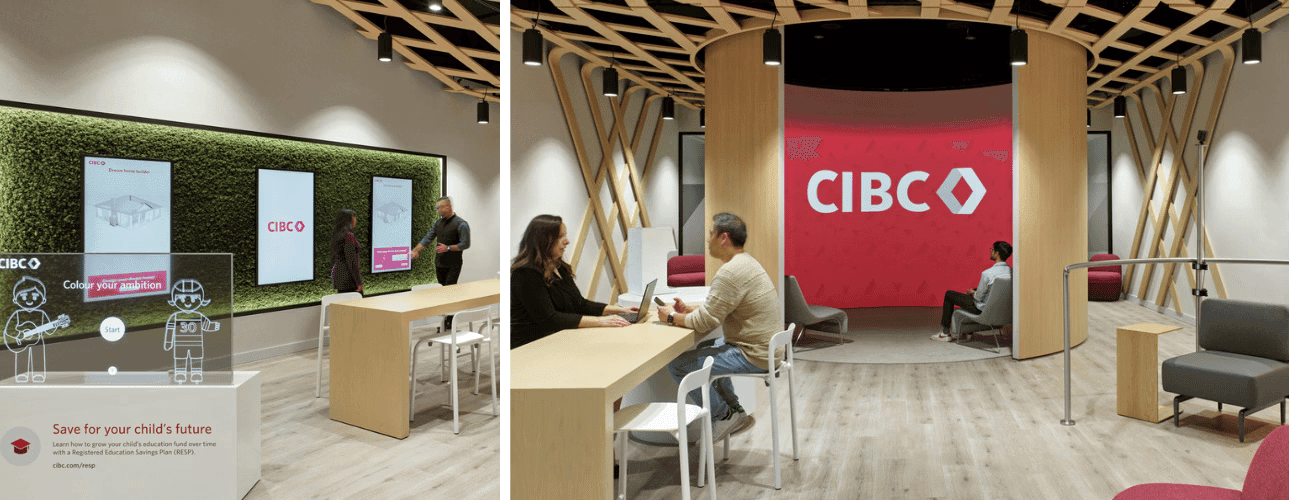
Spatial Design Thinking
Analyzing spatial design thinking across both physical and virtual environments will provide new perspectives for creating immersive environments. Accordingly, Spatial UX design, (aptly defined as the practice of arranging and organizing physical or virtual spaces to optimize functionality, aesthetics, and the user experience) focuses on creating and seamlessly blending digital experiences within physical environments to enhance user engagement and interaction. The importance of context, immersion, and spatial awareness are emphasized to deliver intuitive and meaningful experiences. Considering key spatial UI (user interface) design principles like depth, dimension, and scale aids experiential designers in strategizing human-centered experiences for both virtual and physical spaces.
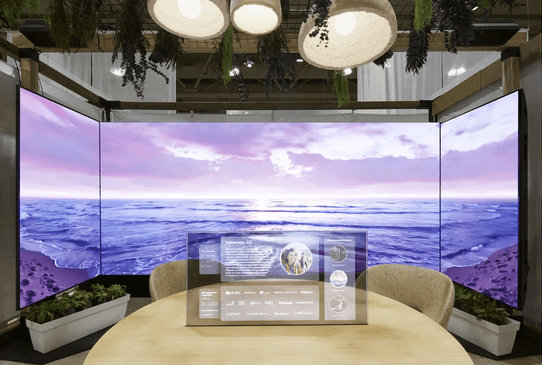
Spatial UI Principles
Applying Spatial UI Design Principles to the real world, we begin to explore designing for mixed display technologies like transparent displays layered in front of larger digital canvases within real physical environments to add that element of depth. If our main content is on a larger display, the smaller transparent display can act as a control display. This is a great practice for transparent interactive touch displays as layered technology to augment physical environments.
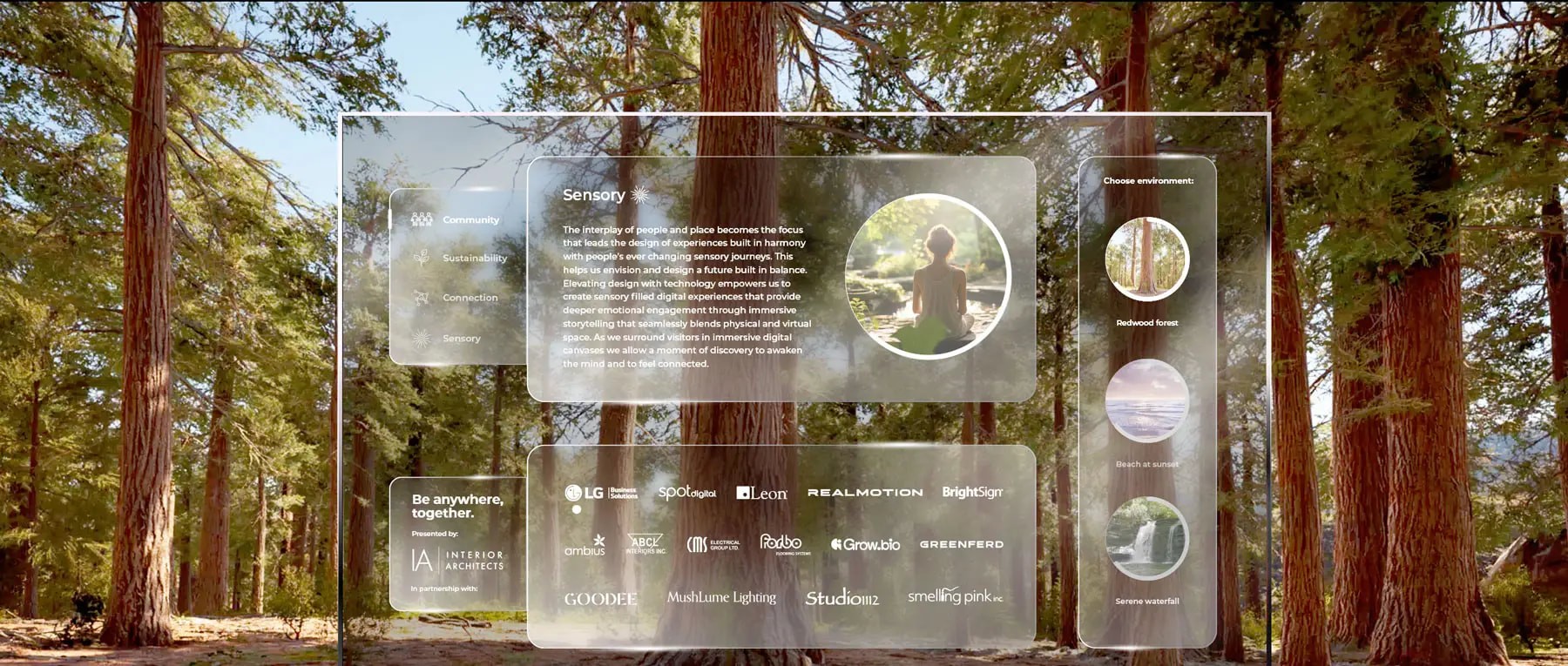
Spatial Content Design
While transparent display technology holds immense potential, it also presents challenges in rethinking the way we design spatial content and interfaces. Designers must carefully balance the benefits of transparency with practical considerations to ensure positive user experiences and long-term viability. Good design is always human-centered. The placement of content has a big effect on user comfort and reaction. Layering UI elements within shells, windows, navigation bars, and tabs, can help users feel familiar with an interface. Surface materials like glass can provide transparency, augmented through shading, opacity, and blur sometimes referred to as Glassmorphism.
Conclusion
As transparent display technology continues to evolve, its integration with spatial UX design is poised to reshape the way we perceive and interact with physical spaces. By seamlessly blending digital and physical elements, architects and experience designers can create environments that are not only functional, aesthetically pleasing, and support brand but also immersive and responsive to user needs. The future of architectural design lies at the intersection of technology and the user experience, where transparency opens new doors to creativity and innovation. As we intuitively adopt these new yet familiar interfaces, a natural acceptance and even desire for multi-layered and augmented experiences will shape both virtual and physical environments.
References:
Apple Vision OS
IA Interior Architects IDS2024 Future Neighborhood
LG Transparent Display Technology